Archeology
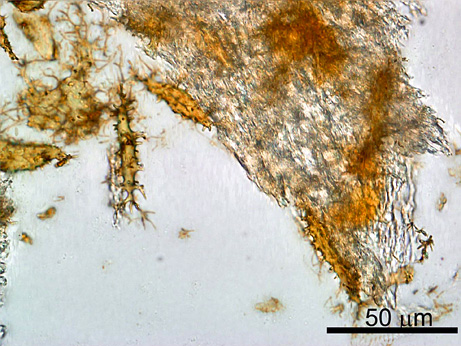
Discover the oldest dinosaur protein
A recent study has found that fossil feet of platypus dinosaurs living 80 million years ago have the oldest proteins stored in soft tissues.
Browse ScienceInfo articles and explainers related to Blood Cells.
75 published items.
A recent study has found that fossil feet of platypus dinosaurs living 80 million years ago have the oldest proteins stored in soft tissues.
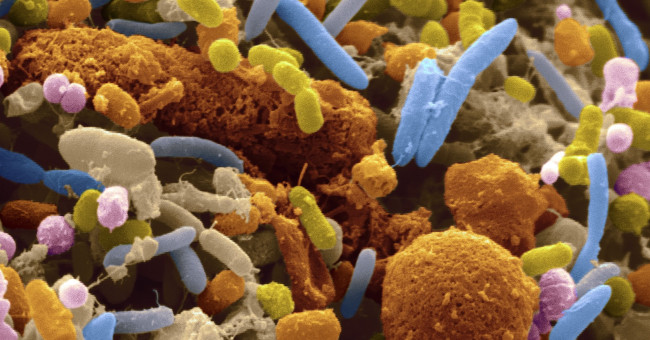
New research by an international team of scientists shows that an average person carries 1.3 times the number of bacteria in their bodies.

In the southern tropical forests of Brazil, there is a species called the lazy clown by the locals, the scientific name is Lonomia.

US scientists have confirmed through experimentation, multi-characteristic growth factors can promote the expansion and regeneration of hematopoietic stem cells.

Researchers found that Tibetan snakes have genetic changes to survive in harsh environments.
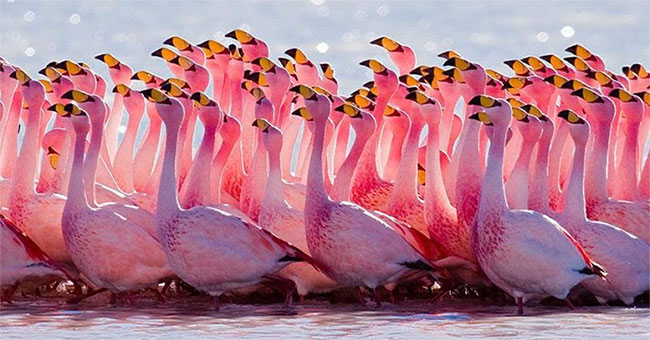
We often attach ourselves to the ability of lactating lactating milk to mammals. But mammals are not the only class that can secrete nutrients for young children.

The team at the Riken BioResource Center, City of Tsukuba, Ibaraki Prefecture, Japan led by scientist Atsuo Ogura used a blood cell in a rat's circulatory system to crea…

For the first time in the UK, scientists have successfully developed red blood cells from embryos of artificial implants, a promising breakthrough that can produce artif…
The images recorded through the microscope have greatly enlarged the cells, eggs, sperm ... in the human body to help you better understand your body.
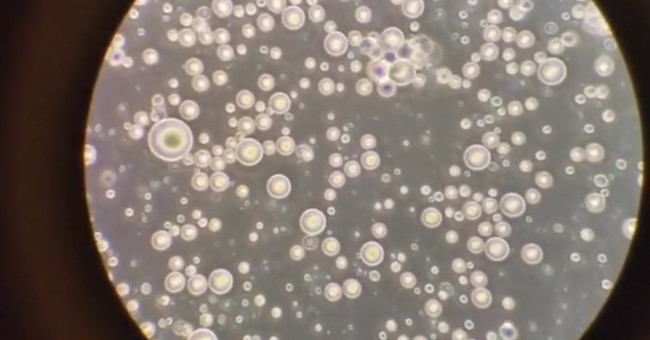
The image of breast milk under a microscope is described as

An interesting time-lapse video depicting the white blood cells attacking the parasite has been posted online by recent scientific researchers.
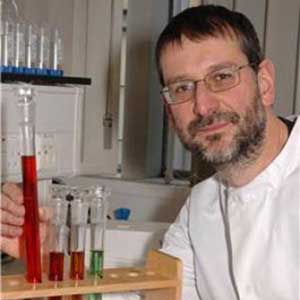
Blood sources not only meet the needs of treatment, passive and very expensive in screening and preservation. The preparation of artificial blood (MNT) to overcome these…
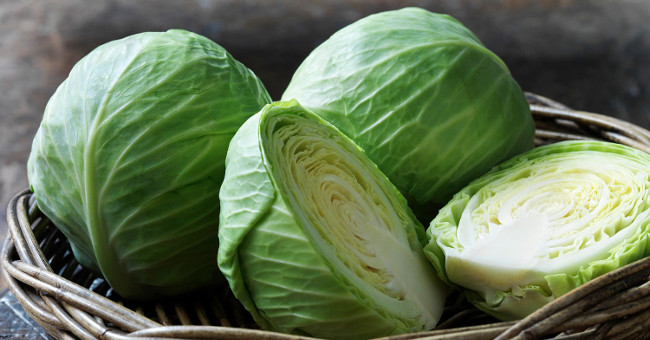
Cabbage is a very familiar vegetable and thrives in the winter. However, this is a nutritious vegetable, both used for eating, healing, both for beauty ...

In 1924, an eccentric biologist named JBS Haldane predicted that more than 70% of babies would be created from artificial wombs in 2074.
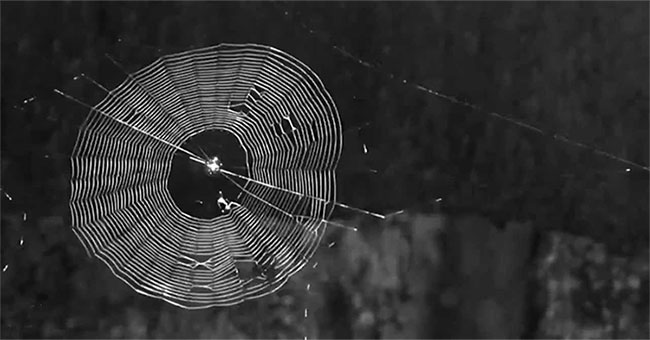
A new study has shown that from spider silk, one can develop a method to help get vaccines straight to white blood cells in the body.